What NAMA Stands For
"To voluntarily promote and encourage the study and production of instrumental music in all the various branches; to draw together trained musicians in the State of New York, in a musical association for mutual intercourse and encouragement and to establish in the City of New York, a central meeting place for the instruction and for social intercourse between its members."
— NAMA Mission Statement, 1904
Community, Culture & Legacy — Continued
NAMA's vision for the 21st century is rooted in the same values as its founding: to be the central gathering place for Black musicians and music lovers in New York City, to support artists at every stage of their careers, and to keep Harlem's musical culture alive and thriving.
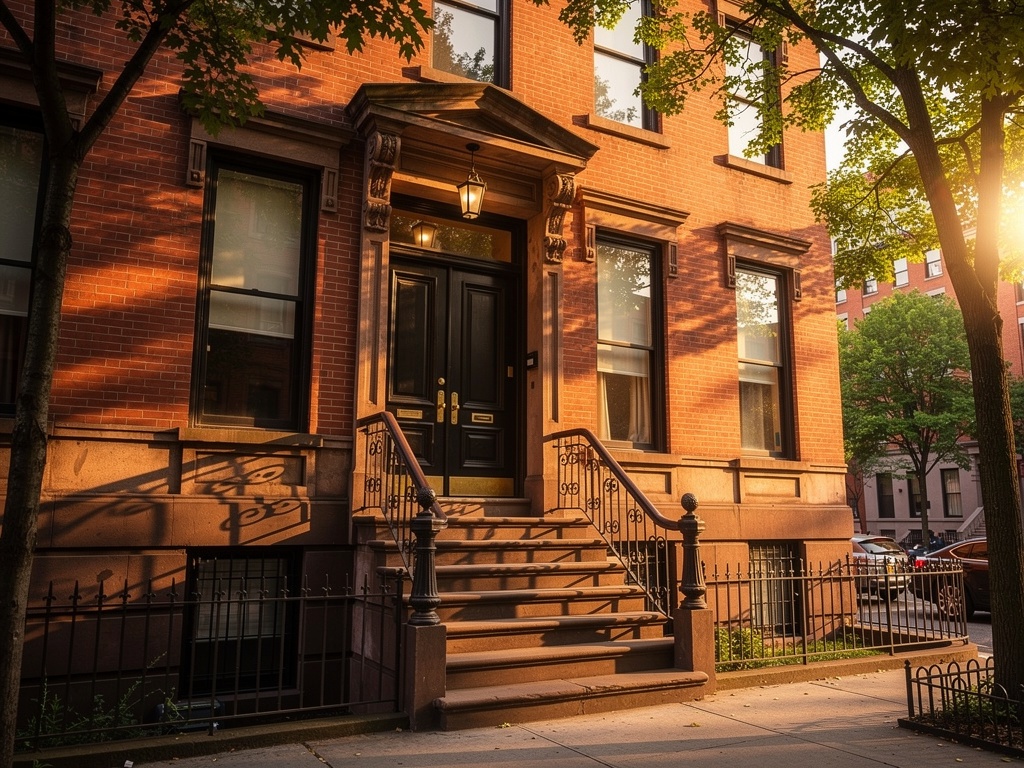
Today, NAMA operates as a full-service nonprofit with a Historic Landmark brownstone at its heart. Through live performances, open jams, community nights, and the ongoing renovation campaign, NAMA is building a bridge between its extraordinary past and the next century of Black music in Harlem.
A Century in the Making
NAMA is Founded in Harlem
The New Amsterdam Musical Association is established in New York City as the first African-American music union. Black musicians, excluded from the all-white American Federation of Musicians Local 310, create their own organization to support, educate, and unite musicians of color. NAMA sets up at 107 West 130th Street — the same address it occupies over 120 years later.
The Harlem Renaissance Era
NAMA becomes a vital center during the explosion of Black art, music, and culture known as the Harlem Renaissance. Legendary members including James Reese Europe — bandleader, military officer, and pioneering jazz figure — pass through NAMA's doors. The brownstone is a social and professional hub for Harlem's most important musicians.
Swing, Bebop & the Golden Era
Through the swing era, bebop revolution, and the golden age of jazz, NAMA remains a gathering place for Black musicians in New York. As the music industry and union politics evolve, NAMA continues its mission of mutual support and cultural preservation in Harlem.
Community Revival
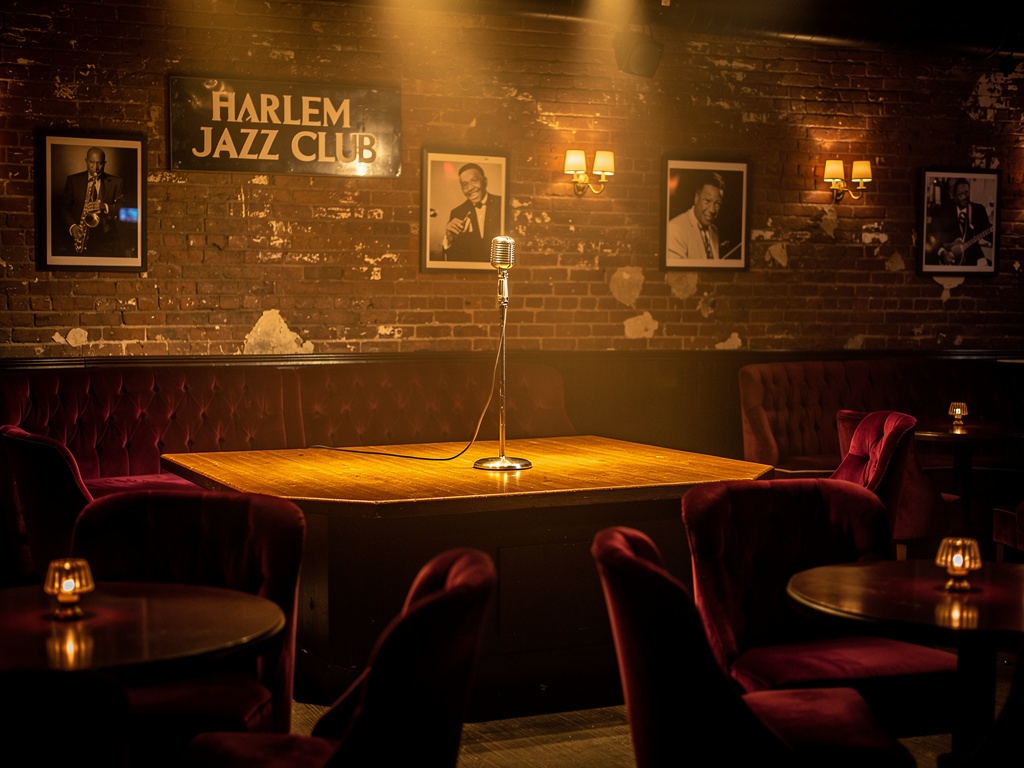
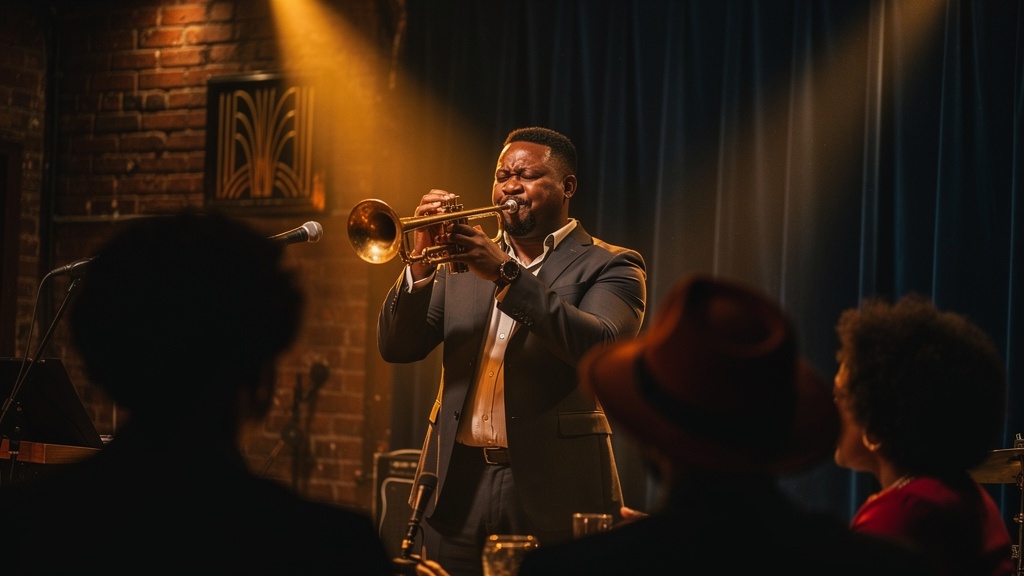
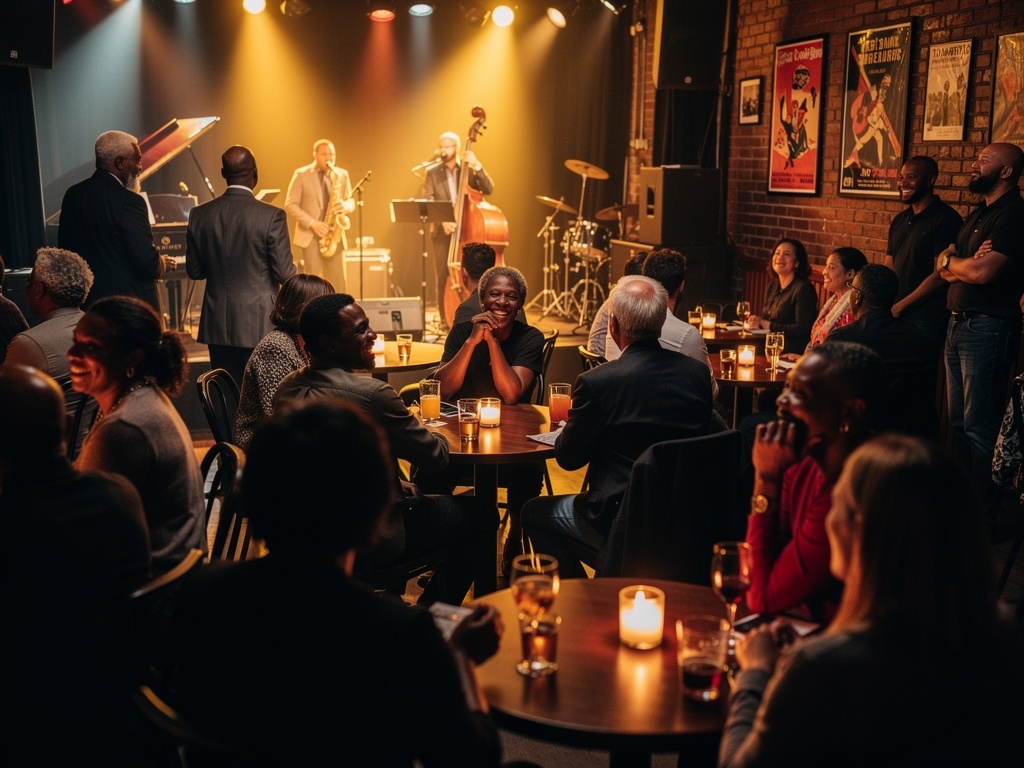
A dedicated group of NAMA members relaunches the organization's community programming. Open jams, educational events, and eventually the Lion's Den series, Monday Night Jams, and the Blues & Poetry Series give the organization a new public profile while keeping its community-first values intact.
Centennial Celebration & Historic Landmark Status
NAMA marks an extraordinary milestone — 100 years headquartered at the same Harlem address. The brownstone is recognized as a Historic Landmark. A Centennial Fundraiser Gala brings together the community to celebrate a century of service and launch the Building Renovation Fund.
Renovation & Renaissance
The NAMA Brownstone Renovation Campaign is underway. With community donations and partnerships, essential repairs and upgrades to the Historic Landmark building have begun. NAMA enters its second century with renewed momentum — weekly events, growing membership, and a vision for the next generation of Black music in Harlem.
NAMA By the Numbers
Artists Who Called NAMA Home
NAMA's history is intertwined with the legends of American music. These are just some of the extraordinary artists who have been part of the NAMA community across its 120+ year history.
Pioneering Black bandleader, military officer, and jazz innovator. A central figure in the Harlem Renaissance and one of the most important early jazz musicians in American history. Known as the "Martin Luther King of music."
During the golden era of the Harlem Renaissance, NAMA was the gathering place for the era's most significant Black musicians, creating a nexus of art, culture, and community that shaped American music forever.
Beyond the famous names, NAMA has been home to thousands of dedicated Black musicians who built careers, supported their families, and kept Harlem's musical culture alive through dedication to their craft and community.
A Volunteer-Powered
Community Institution
NAMA is coordinated entirely by the volunteer efforts of a small, dedicated group of members. With professional experience in music performance, education, administration, and community organizing, this team works diligently to keep NAMA's programs running and its mission alive.
NAMA members conceptualize and implement programming, manage fundraising efforts including the Building Renovation Fund, and serve as stewards of the organization's extraordinary legacy.
Because NAMA is 100% volunteer-operated, every dollar donated goes directly to programming, building maintenance, and community events — not administrative overhead.
Help Write NAMA's Next Chapter
Whether you attend events, donate to the renovation, or spread the word — you are part of NAMA's living legacy.